Experience
Promote and facilitate activities that build a real understanding of the environment.
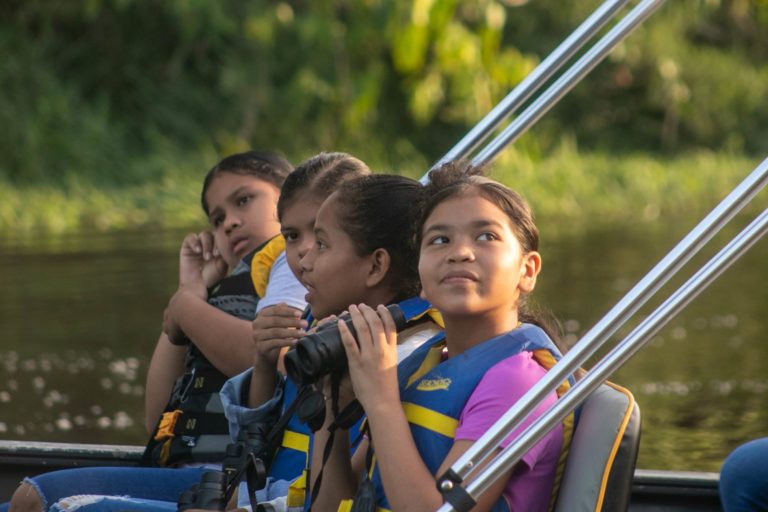
Motivating action through greater environmental awareness and education in Guyana. Scroll down to see where EMC clubs, coordinators and young conservationists are making a difference across Guyana.
Motivate action through greater environmental awareness and education.
Promote and facilitate activities that build a real understanding of the environment.
Create a network that links people, schools and partners on environmental issues.
Open doors for young people to get out into Guyana's natural environment and act.
0
School clubs running across Guyana
0
National gatherings for club coordinators each year
0
From Barima-Waini to Upper Berbice
2022
The year it all started
Sixty-seven environmental clubs across six regions. Tap a region to see where the work reaches.
Region 4
Our base, and the Mahaica watershed work.
24active clubs
A national network of school-based environmental clubs, each led by a teacher coordinator and supported by the Foundation with resources, project ideas, site visits and equipment. Clubs run clean-ups, tree plantings, biodiversity surveys and their own school campaigns.
Hands-on sessions that use Guyana's own ecosystems as the classroom: water quality testing, drone education, coding and data collection, renewable-energy builds and conservation challenges pitched at club level.
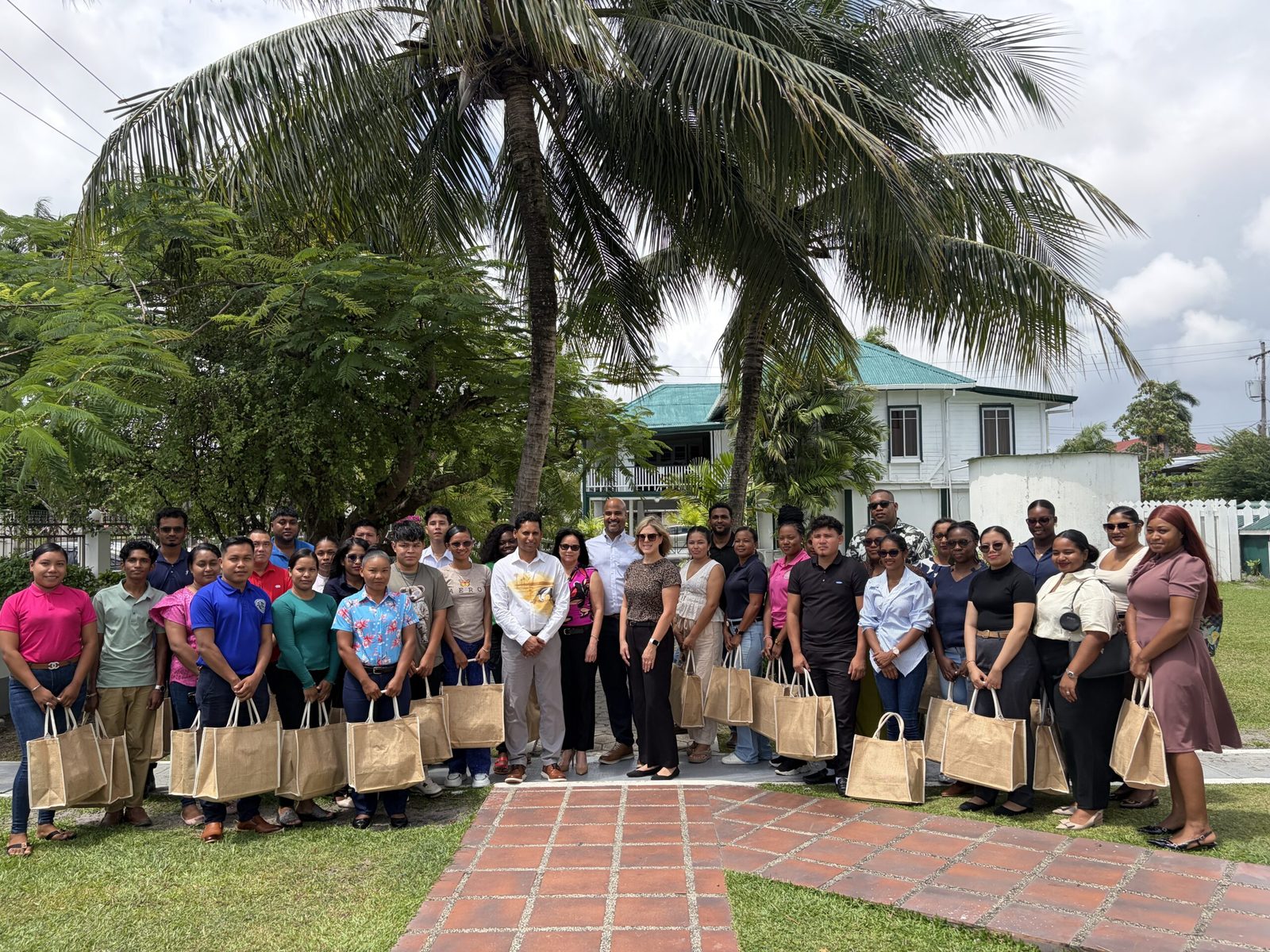
A full-day forum where coordinators share what worked, plan the year ahead and take new material back to their schools. The 3rd Annual Connect brought together around 40 coordinators from Regions 1 to 6.
A speaker and discussion series hosted with the Protected Areas Trust, bringing policymakers, scientists, diplomats and students into the same room. The fifth edition ran under the theme “Inspiring Change, One Conversation at a Time” and featured Rt Hon David Lammy, MP.
On August 26, 2026, the Foundation hosted its 3rd Annual Environmental Club Coordinators Connect, bringing together roughly 40 club coordinators from Regions 1 to 6.
Kitana Flores, a third-year Marine Biology student at the University of Guyana, completed a six-week internship focused on practical conservation experience.
July's E-STEM sessions ran with sixty-seven environmental clubs, including Queen's College, The Bishop's High School, St. Stanislaus College and Marian Academy.
Coordinators, partners and students on what the Foundation's work has meant for them.
The EMC Foundation has given our environmental club structure, materials and a reason to get outside. Our students look forward to every session.
Conservation Conversations puts students in the same room as decision makers. That is rare, and it changes how young people see their own voice.
My internship gave me the field experience my degree could not. I left knowing what conservation work actually looks like day to day.
The Information Tree has become a talking point for everyone who passes through. Visitors stop and read it.
Bringing coordinators together once a year means none of us are working alone anymore.
The EMC Foundation has given our environmental club structure, materials and a reason to get outside. Our students look forward to every session.
Conservation Conversations puts students in the same room as decision makers. That is rare, and it changes how young people see their own voice.
My internship gave me the field experience my degree could not. I left knowing what conservation work actually looks like day to day.
The Information Tree has become a talking point for everyone who passes through. Visitors stop and read it.
Bringing coordinators together once a year means none of us are working alone anymore.
Images and stories from our events, the Mahaica wetlands and the Saxacalli rainforest.
Club members planting, recording and cleaning up across Regions 1 to 6.
Clubs, field trips, E-STEM challenges and Information Trees — tell us where you are and we will help you start.
Get involvedArya saysWe start with one teacher and one class. That is honestly enough.